
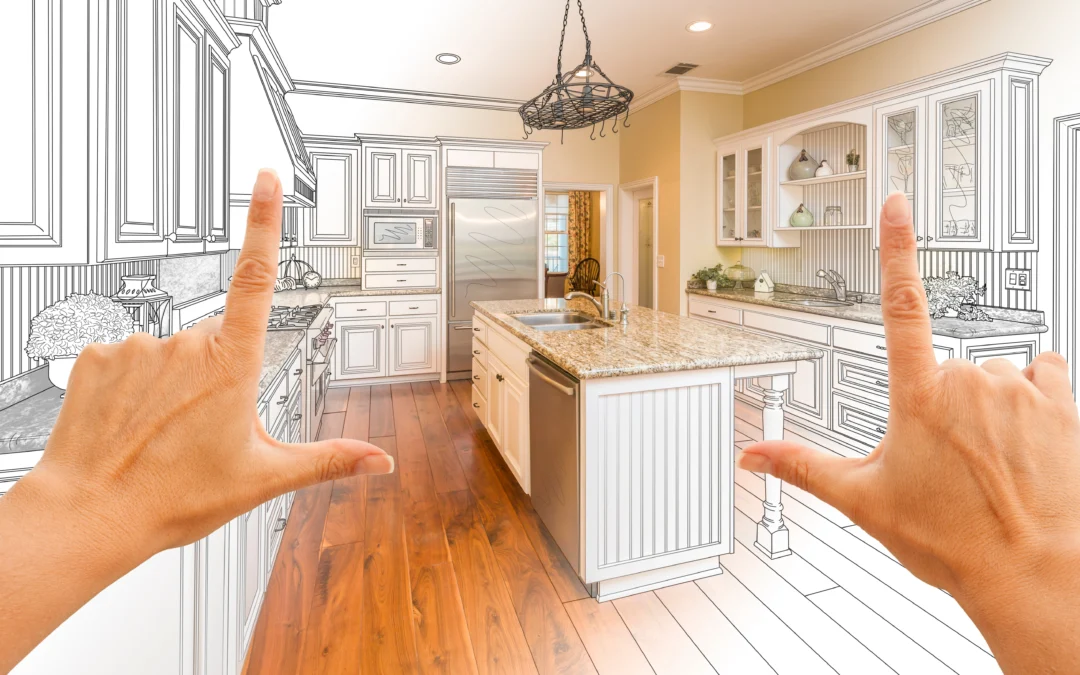
Most homeowners don’t decide to remodel their kitchen overnight. The decision builds slowly. It’s the lack of counter space that makes cooking feel stressful. It’s the cabinet that never quite holds what you need.
It’s the layout you’ve worked around for years because changing it felt too overwhelming.
A kitchen renovation is one of the most impactful projects you can take on. It affects how you cook, how you gather, and how your home functions every day. It also comes with a higher kitchen remodel cost than many other upgrades. Without solid kitchen remodel planning, the process can feel chaotic and exhausting.
The goal of this step-by-step guide is to help you feel prepared, not pressured. With thoughtful planning, clear priorities, and realistic expectations, it is possible to create a high-quality kitchen that feels better to use and easier to live in. The planning phase is what turns a stressful renovation into a successful one.
Assess What's Working and What Isn't
Strong kitchen remodel planning starts with understanding your current space. For one full week, pay attention to how your kitchen actually works. Notice where you feel cramped. Watch how quickly counter space disappears.
In a small kitchen, these problems become evident fast.
Separate surface-level frustrations from deeper functional issues. Cabinet hardware you don’t like is easy to replace. Poor lighting, inefficient layout, and lack of storage are harder problems. These functional issues should guide your biggest decisions.
Think about how your household uses the kitchen. Do multiple people cook at once? Does the space double as a homework area or social hub? Is it a pass-through room that everyone walks through?
Document what you see. Take photos. Measure walls and walkways. Note where electrical and plumbing lines are located.
These details will limit or enable design changes later, so it’s better to understand them early.
Define Your Vision and Priorities
This step helps you clarify what you actually want before budgeting and logistics come into play.
Lifestyle Alignment
Your kitchen design should support how you live today. Not how you wish you cooked. Fancy appliances don’t help if you rarely cook. Simple appliances frustrate homeowners who cook daily.
Decide what matters most. More counter space. Better storage ideas. Easier cleanup. These priorities help you save money by spending where it improves daily life.
Think about your timeline. Remodeling for resale is different than remodeling for a long-term home. Your answers should guide material choices and overall investment.
Style Direction
Gather inspiration, but look for patterns. Are you drawn to clean modern kitchens? Warm traditional spaces? Transitional designs that blend both?
Consider the rest of your home. A kitchen should feel connected, not dropped in from a different house. Timeless materials work best for large investments like cabinetry and countertops.
Trends can still have a place. Cabinet hardware, lighting, and paint are easier to update later. These are good places to experiment without long-term risk.
Establishing a Realistic Budget
Kitchen remodel cost varies widely. Online averages often miss the mark. Labor rates, material quality, and existing conditions all play a role.
A typical budget includes cabinetry, countertops, appliances, labor, flooring, lighting, plumbing fixtures, and permits. Design fees may also apply. A contingency fund is critical.
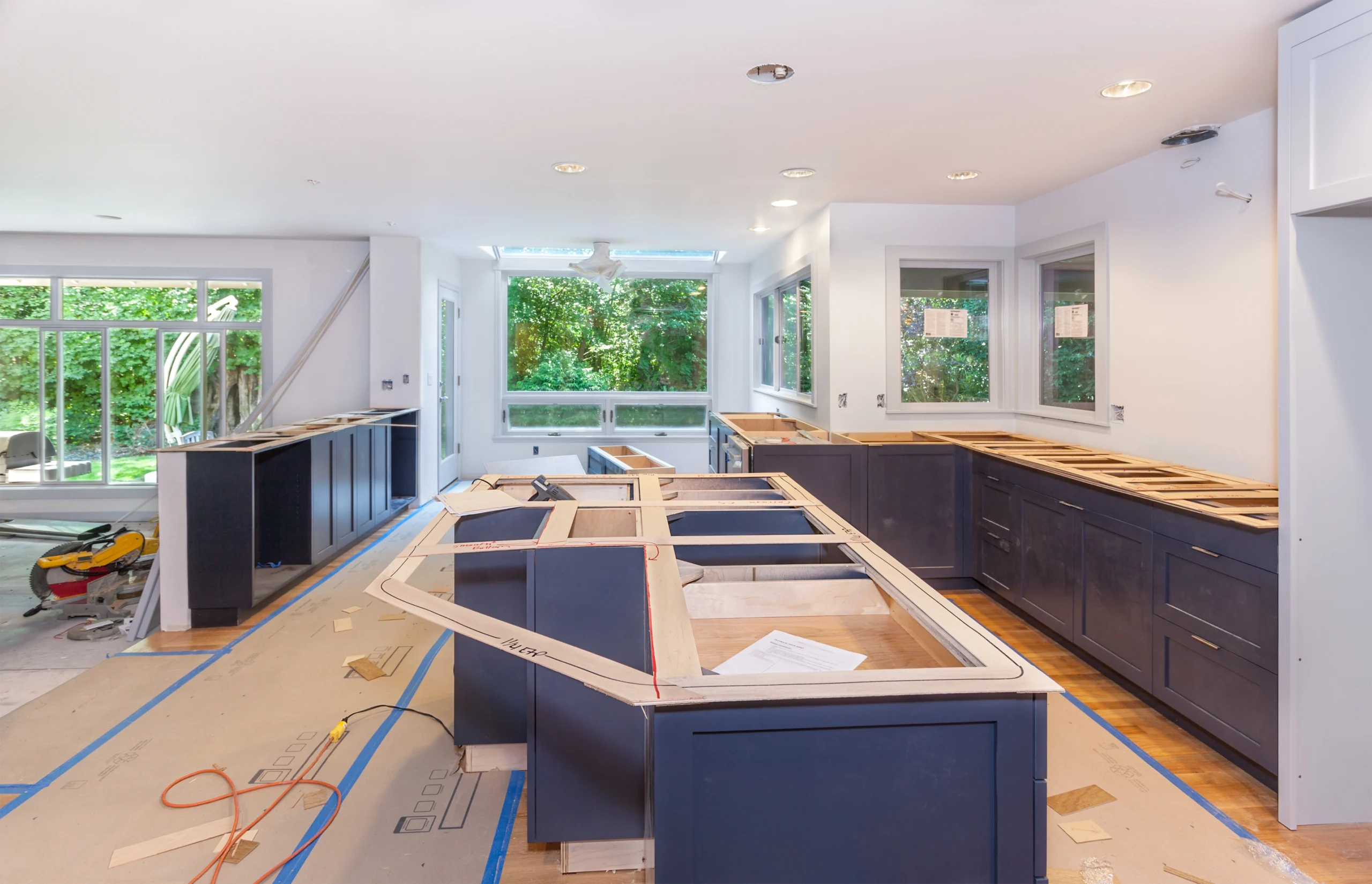
Once demolition begins, surprises often appear. Outdated wiring. Water damage. Structural fixes. Installing drywall after layout changes is common. Planning for these issues prevents panic decisions.
Talk to contractors with years of experience early in the process. Real estimates help ground expectations and prevent overcommitting to finishes that don’t fit your budget.
Layout and Flow: The Foundation of Function
Layout determines how your kitchen works every day. While the traditional work triangle still matters, modern kitchens function better with defined work zones. These include prep, cooking, cleaning, and storage.
Islands are popular, but they aren’t always practical. In tight layouts, an island can block movement and reduce functionality. In a small kitchen, removing the island can actually help maximize space.
Moving sinks, gas lines, or appliances increases cost. Keeping plumbing and electrical locations close to existing connections can help save money. These decisions affect both the budget and the timeline.
Traffic flow matters too. Kitchens are often walkways. Poor circulation creates daily frustration, especially during busy times.
Cabinetry: The Biggest Investment
Cabinets are often the largest expense in a kitchen renovation. They also define the space’s look and storage potential.
Options include stock cabinets, semi-custom options, and fully custom cabinet designs. Each comes with different costs, lead times, and flexibility.
Construction quality matters more than door style. Solid boxes, durable finishes, and smooth drawer hardware improve longevity. Interior storage ideas such as pull-out shelves, deep drawers, and vertical dividers can dramatically improve functionality.
If your existing cabinet boxes are solid and the layout works, refacing may be worth considering. It updates the look while controlling cost.
Countertops: Balancing Beauty and Durability
Countertops are among the most-used kitchen surfaces. They must handle heat, moisture, and daily wear.
Quartz is durable and low-maintenance. Granite offers natural variation. Butcher block adds warmth but needs care. Choose materials that fit your cooking and cleaning style.
Seams and edge profiles affect appearance and cost. Planning these details early avoids last-minute compromises.
Appliances: Functionality Meets Aspiration
Appliances should support real cooking habits. Overspending on unused features adds little value. Underpowered appliances cause daily frustration.
Many people overlook ventilation. A properly sized, ducted range hood protects cabinets and air quality far better than recirculating options.
Finalize appliance selections early. Cabinet layouts depend on exact dimensions and clearance requirements.
Lighting, Flooring, and Finishing Details
These elements pull the kitchen together and affect everyday comfort.
Lighting: Layered and Purposeful
Good lighting includes ambient, task, and accent layers. Under-cabinet lighting improves visibility. Pendants add personality.
Dimmers allow flexibility. Bright for prep. Soft for evenings.
Flooring: Durable and Cohesive
Kitchen floors need to handle moisture and foot traffic. Luxury vinyl plank offers durability and comfort. Hardwood flooring and tile create a classic look.
Extending flooring into nearby rooms can make the kitchen feel larger and more connected.
The Details That Elevate
Details make the space feel complete. Cabinet hardware acts like jewelry. Sink faucets with pull-down sprayers improve daily use.
Electrical planning matters. More outlets, better placement, and dedicated circuits improve functionality over the long term.
Hiring the Right Professionals
The right team is critical. Interview multiple contractors. Verify licensing, insurance, and references.
Look for professionals with years of experience in kitchen renovation work. Clear communication matters just as much as price.
Contracts should outline scope, payment schedules, timelines, and change order procedures. Avoid vague agreements or large upfront deposits.
Surviving the Remodel: Living Through Construction
Living through a remodel requires preparation. Plan to create a temporary kitchen with essentials like a microwave, coffee maker, and small refrigerator. This makes daily life manageable.
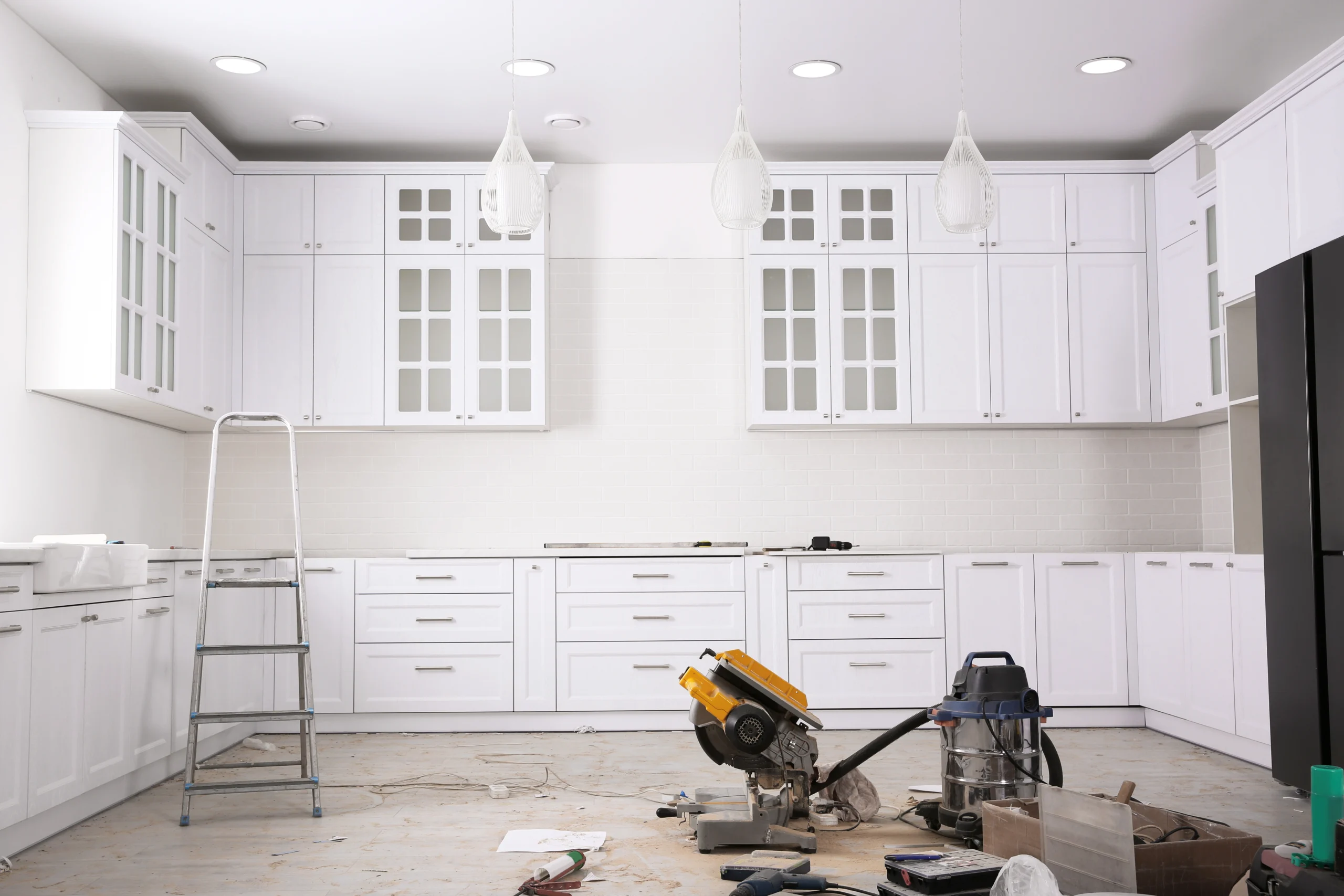
Expect dust, noise, and disruption. Electrical and plumbing work can be messy. Installing drywall adds time and debris.
Decision fatigue is real. Make selections early when possible. Clear communication helps keep the project moving.
Your Kitchen, Transformed
A kitchen remodel is a major investment. With strong kitchen remodel planning, it becomes far more manageable.
By approaching the process step by step, you reduce risk and gain control. The result is a high-quality kitchen that maximizes space, improves daily routines, and adds long-term value to your home.
The effort is real. The payoff is worth it.