
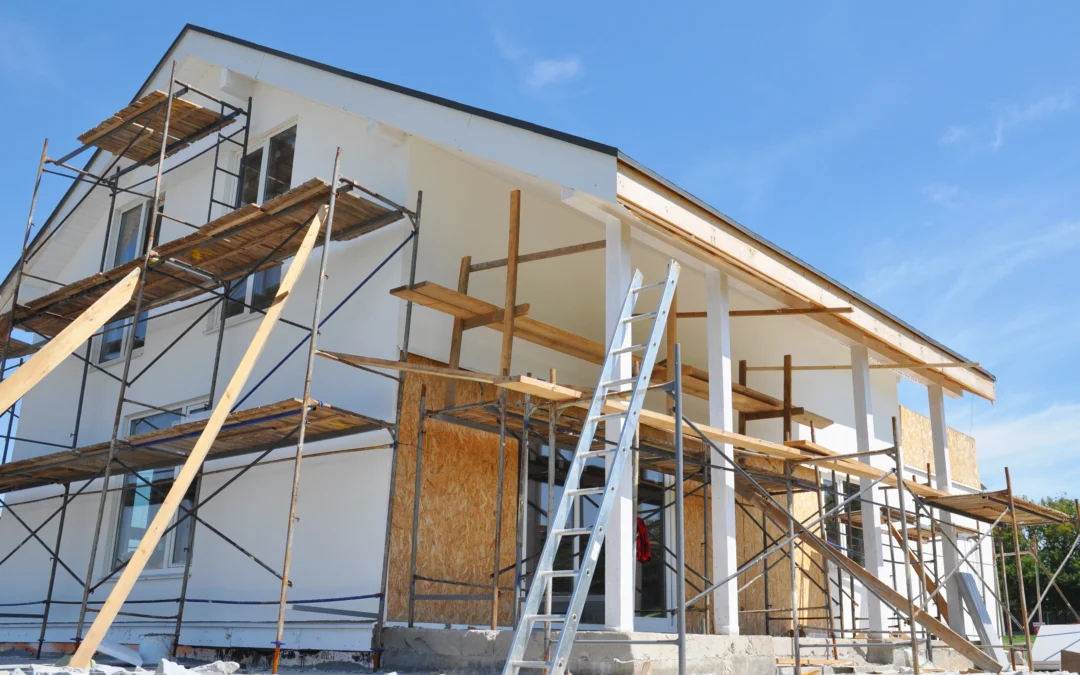
The New Year inspires fresh goals. Why not make 2026 the year you finally move forward with those long-planned upgrades?
Thoughtful home renovations can improve daily comfort, increase property value, and enhance how your space functions. A well-planned home remodeling project helps your house better support your lifestyle.
Many homeowners hesitate. Concerns about cost, timelines, choosing trustworthy home remodeling contractors, and managing disruption are common. The difference between a stressful experience and a smooth renovation often comes down to early, strategic planning.
Identify Your “Why”
Before making design decisions, clarify why you’re starting this home remodeling project. Are you renovating to increase resale value? Improve functionality for a growing family? Update outdated finishes?
It’s important to distinguish between cosmetic improvements and larger-scale home renovations that involve structural or layout changes. Understanding your “why” ensures every decision aligns with your long-term goals.
This step helps you clarify what you actually want before budgeting and logistics come into play.
Prioritize Must-Haves vs. Nice-to-Haves
Create a ranked list of improvements. Focus first on high-impact areas such as kitchens, bathrooms, and open-concept living spaces, which typically deliver the strongest return.
Consider incorporating energy-efficient upgrades into your plans. Enhancements like improved insulation, modern appliances, and upgraded windows can elevate your renovation into a truly energy-efficient home remodeling, reducing long-term operating costs.
With your priorities defined, the next step is aligning your vision with a realistic budget.
Understand the True Cost of Home Renovations
A successful home remodeling project accounts for more than materials and labor. Budget for permits, design fees, and a contingency reserve of 10–20% for unexpected issues. Costs will vary based on scope, materials, and your geographic location.
Plan for Return on Investment
Strategic home renovations, particularly updated kitchens and bathrooms, often improve resale value. Energy-efficient home remodeling can lower monthly utility expenses, providing financial benefits long after construction is complete.
Explore Financing Options
Home equity loans, renovation-specific financing, or phased construction can make your project more manageable. Choose an approach that supports both your renovation goals and long-term financial stability.
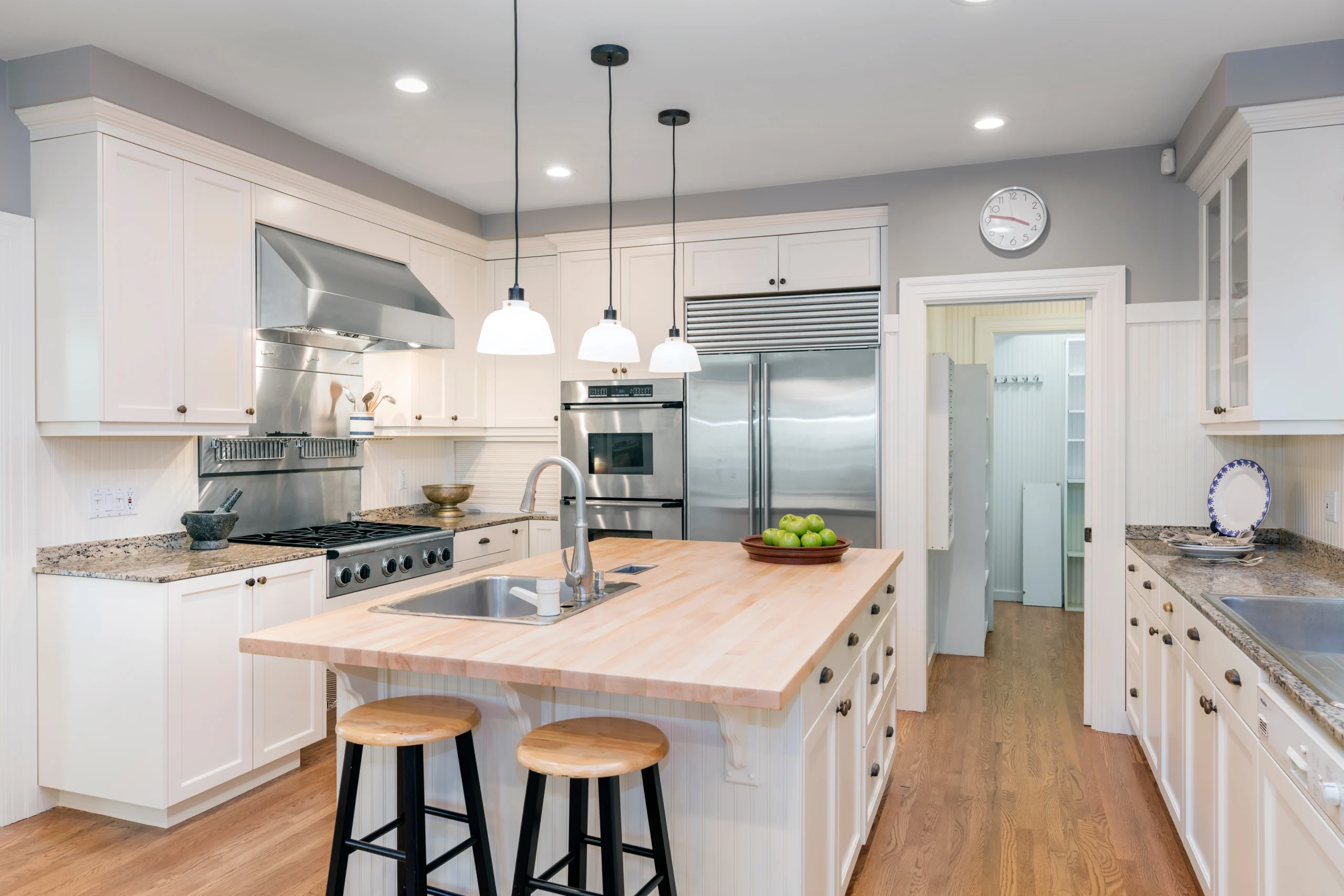
A well-planned budget lays the foundation for selecting the right professionals.
Choose the Right Home Remodeling Contractors
Not all home remodeling contractors offer the same experience or quality standards. Verify licensing and insurance, read reviews, request references, and review portfolios of past home remodeling project examples.
Ask the Right Questions
Discuss timelines, communication expectations, warranty coverage, and how change orders are handled. Clear communication reduces misunderstandings and helps your project stay on track.
Get Detailed Written Estimates
Avoid vague pricing. A detailed proposal should clearly outline the scope of work, materials, labor, and projected timelines. Transparency protects your investment and sets clear expectations from the beginning.
With the right team in place, attention can shift to thoughtful design and efficiency.
Design for Function, Style, and Efficiency
While trends can inspire your updates, prioritize functionality and lasting appeal. Choosing classic elements with modern touches ensures your home renovations remain stylish and practical for years.
Incorporate Energy Efficient Solutions
High-performance windows, smart thermostats, LED lighting, and water-saving fixtures are central to energy-efficient home remodeling in 2026. These features reduce environmental impact while increasing comfort and savings.
Think Long-Term
Consider aging-in-place features and flexible spaces, such as rooms that can transition between office and guest use. Planning for adaptability adds lasting value to your home remodeling project.
Now it’s time to prepare your household for construction.
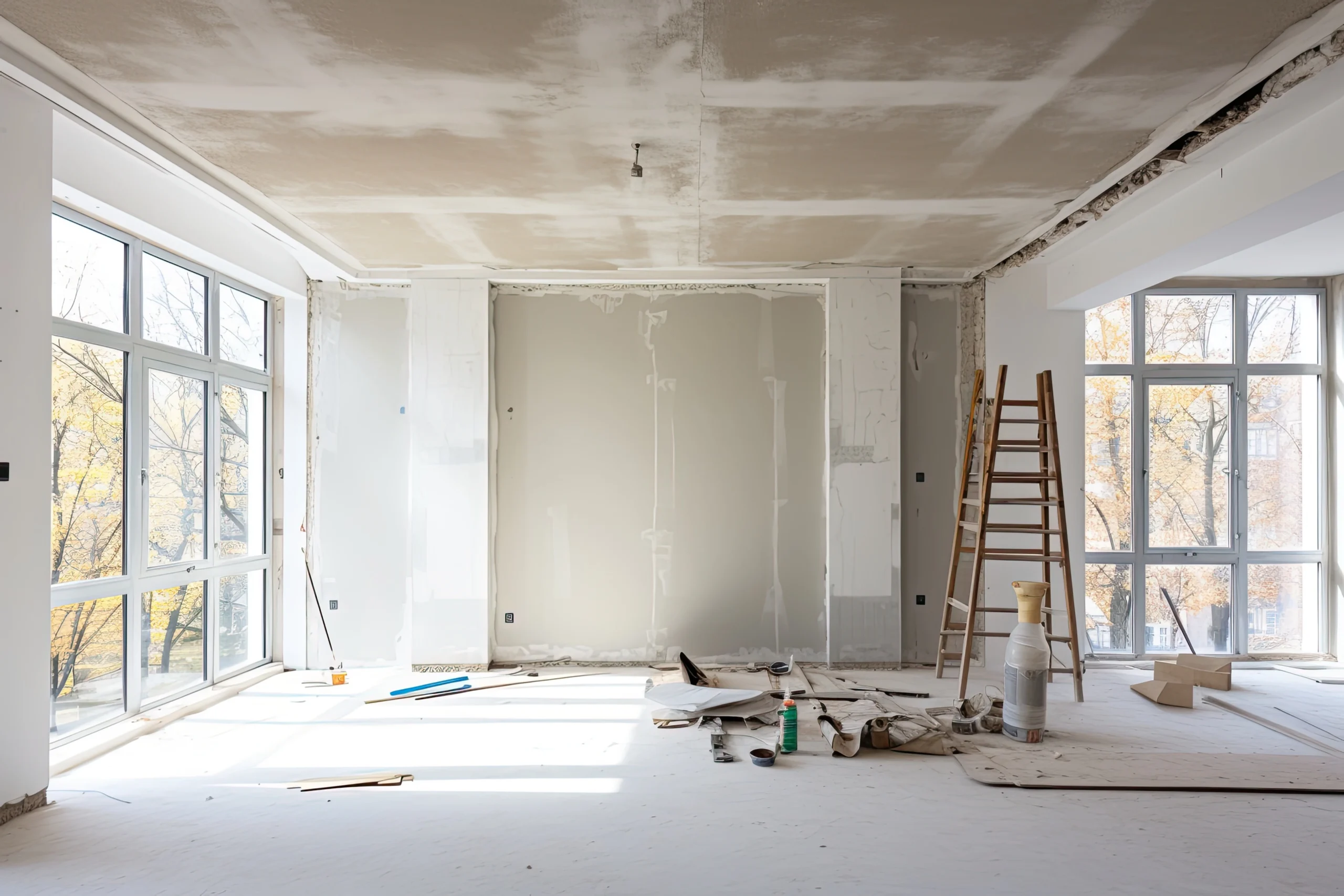
Prepare for the Remodeling Process
Most projects move through planning, demolition, construction, and final walkthrough stages. Understanding these phases helps set realistic expectations and reduces stress.
Minimize Disruption
Temporary kitchen setups, dust-control strategies, and consistent communication with your home remodeling contractors can significantly reduce household disruption.
Stay Involved
Schedule regular progress check-ins and make timely decisions to avoid delays. Active homeowner involvement helps ensure your home remodeling project stays aligned with your original goals.
Make 2026 the Year You Love Where You Live
A successful home remodeling project begins with thoughtful preparation. By clarifying your vision, planning your finances, selecting experienced home remodeling contractors, and prioritizing energy-efficient remodeling, you set the stage for lasting results.
Start consultations early to secure your 2026 timeline. A well-planned renovation does more than transform a space—it transforms how you live in it.